
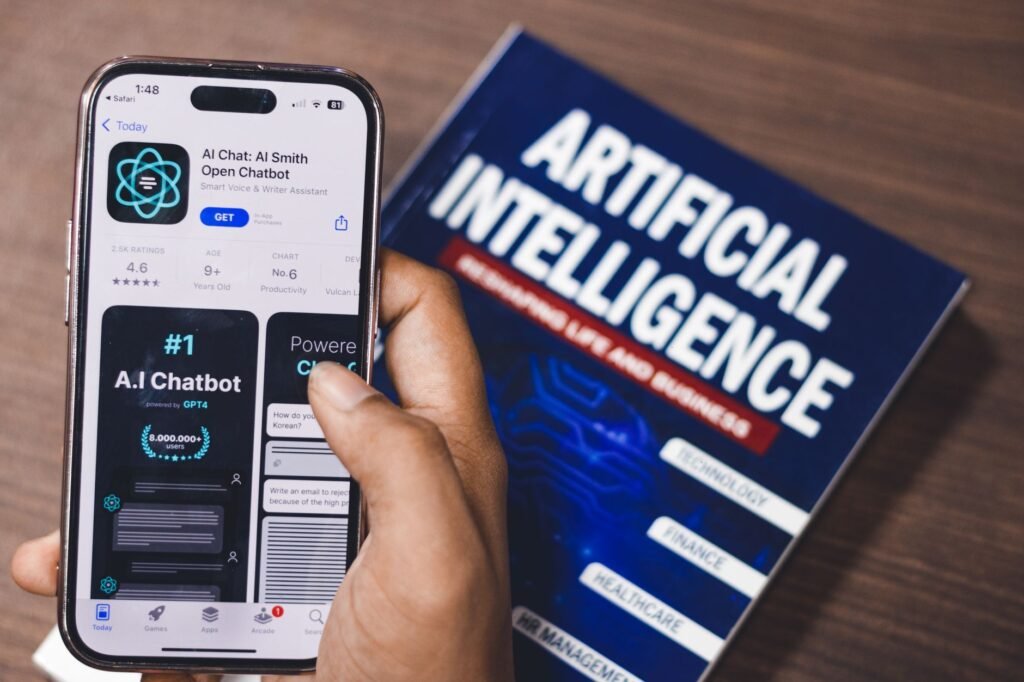
The 2026 AI Revolution in Small Business Operations
In 2026, artificial intelligence is no longer an enterprise-only luxury. For small businesses, startups, and local services, deploying an AI chatbot has shifted from a novel marketing tactic to a fundamental operational strategy. Today’s customers expect instant, personalized, and context-aware responses 24/7. Delayed email replies and missed phone calls directly translate to lost revenue.
The current generation of small business AI chatbots goes far beyond simple rule-based decision trees of the past. Powered by advanced multimodal large language models and real-time autonomous agents, modern chatbots handle complex sales inquiries, schedule appointments directly into calendars, process secure payments, and integrate seamlessly with existing CRM platforms.
Why Small Businesses Are Adopting AI Chatbots in 2026
Small business owners face a constant balancing act between customer acquisition, operational support, and limited overhead. Here is how modern conversational AI is reshaping small business performance this year:
- 24/7 Autonomous Customer Care: Resolve up to 80% of routine inquiries—such as order tracking, service hours, and product specs—without human intervention.
- Instant Lead Qualification & Conversion: Capture visitor intent in real-time, ask qualifying questions, and guide prospects through sales funnels before they navigate to a competitor.
- Hyper-Personalized Interactions: By leveraging real-time data integrations, 2026 AI chatbots tailor responses based on user browsing history, past purchases, and specific location contexts.
- Drastic Cost Efficiency: Scale customer interactions infinitely during peak seasons without expanding support headcount or outsourcing to expensive call centers.
Key AI Chatbot Features Small Businesses Need Today
Not all AI tools are created equal. When evaluating conversational AI platforms in 2026, small business owners should prioritize solutions that offer the following capabilities:
1. Multimodal Interaction
Modern consumers interact via text, voice notes, and images. Leading chatbots now accept photo uploads—such as a picture of a broken part or a reference design—and process visual data alongside natural language text to provide immediate solutions.
2. Autonomous Workflow Execution
Today’s top chatbots do more than answer questions; they perform actions. Ensure your selected AI tool can sync with your scheduling software, update inventory levels in real-time, trigger email workflows, and generate invoices automatically.
3. Zero-Code Customization and Local Data Training
In 2026, setting up a customized AI agent takes hours, not months. Modern platforms allow you to train an AI model simply by pointing it to your website URL, uploading product catalogs, or ingesting internal PDF manuals—all through intuitive, drag-and-drop interfaces.
4. Strict Privacy and Compliance Standards
With tightening data privacy regulations worldwide, small businesses must select AI platforms that guarantee data encryption, transparent data retention policies, and compliance with local consumer protection laws.
How to Select and Deploy the Right AI Chatbot
Implementing an AI chatbot requires a strategic approach to maximize ROI and protect your brand reputation. Follow this practical four-step implementation roadmap:
Step 1: Define Specific Business Objectives
Identify your primary operational bottleneck. Are you losing leads after business hours? Is your team overwhelmed by repetitive support tickets? Focus your initial deployment on solving one primary challenge before expanding scope.
Step 2: Map Out Core Integrations
Ensure your chosen AI solution connects directly with your existing tech stack, including your website CMS, customer relation management tools, and payment gateways.
Step 3: Train and Test with Real Scenarios
Feed your AI chatbot historical customer service interactions, frequently asked questions, and edge-case scenarios. Test the bot thoroughly with internal staff to evaluate tone, accuracy, and safety boundaries before going live.
Step 4: Establish Human-in-the-Loop Handoffs
AI should augment your team, not replace critical human connections. Set up clear triggers so that complex inquiries, high-value sales prospects, or dissatisfied customers are instantly escalated to a human team member with full conversation context.
Measuring Success: KPIs for Small Business AI
To ensure your AI investment delivers tangible value, track these core metrics quarterly:
- First Contact Resolution Rate (FCR): The percentage of customer queries resolved entirely by the chatbot without human intervention.
- Conversion Rate Elevation: The increase in sales leads or bookings generated directly through chatbot engagements versus standard static forms.
- Average Response Time: The reduction in time it takes for a customer to receive accurate assistance.
- Customer Satisfaction Score (CSAT): Direct post-interaction feedback rating the helpfulness of the automated interaction.
Conclusion: Empower Your Small Business Today
The landscape of small business technology in 2026 centers on agility, efficiency, and exceptional customer experiences. Implementing an intelligent AI chatbot empowers small businesses to compete with enterprise competitors on equal footing, delivering lightning-fast, highly accurate service around the clock.
By selecting a flexible, action-oriented AI platform and aligning it with your core business goals, you can elevate customer satisfaction, streamline operations, and drive sustainable revenue growth throughout 2026 and beyond.