
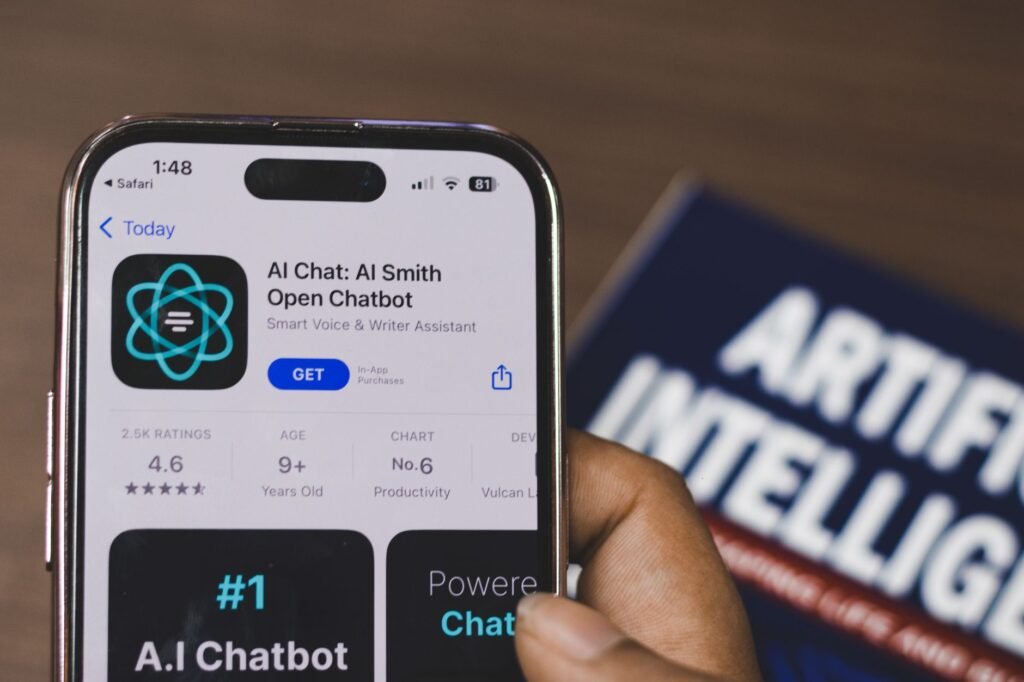
The New Standard in Ecommerce Success
In 2026, online shoppers demand immediate answers, tailored product recommendations, and frictionless checkout experiences. Traditional static web pages and slow customer service ticketing systems no longer suffice. Implementing an advanced AI chatbot for ecommerce stores has transitioned from an innovative luxury to a core operational necessity for brands looking to scale profitably.
Today’s conversational AI agents do far more than answer basic FAQ questions. Powered by autonomous reasoning, real-time inventory integration, and hyper-personalized customer insights, AI chatbots act as digital sales representatives that work 24/7 to boost conversion rates and drive retention.
Why Modern Online Stores Need Conversational AI
As customer acquisition costs remain high across digital advertising platforms, ecommerce store owners must maximize the value of existing site traffic. AI chatbots address this directly at every stage of the funnel.
1. Instant 24/7 Support and Resolution
Modern consumers expect resolution within seconds, regardless of time zones. An AI chatbot handles routine inquiries—such as order tracking, return policies, and shipping timelines—instantly, freeing your human support team to solve complex, high-touch customer challenges.
2. Autonomous Conversational Commerce
Rather than relying on passive site search bars, contemporary AI assistants engage visitors actively. By asking targeted questions, analyzing past browsing behavior, and cross-referencing real-time stock levels, the chatbot serves as an expert personal shopper, guiding buyers directly to the products they need.
3. Reduction in Cart Abandonment
Cart abandonment remains a major profit drain. AI chatbots intervene dynamically when a user hesitates at checkout, offering assistance with payment issues, clarifying sizing concerns, or delivering targeted incentives to complete the purchase.
Key Features of High-Converting Ecommerce AI Chatbots
When selecting or upgrading an AI chatbot for your online store, look for these vital capabilities:
- Omnichannel Synchronization: Seamless integration across your Shopify or WooCommerce store, WhatsApp, Instagram Direct, and Messenger so conversation history stays unified.
- Zero-Latency Inventory Integration: Real-time connection to your ERP and inventory management tools to prevent recommending out-of-stock items.
- Predictive Personalization: Generative AI engines that tailor recommendations based on local climate, real-time trends, and past buying habits.
- Multilingual Capabilities: Automatic translation features that allow international shoppers to converse fluently in their native language.
Best Practices for Implementing an AI Chatbot in 2026
Deploying a successful chatbot requires a strategic approach that balances automation with human empathy.
Train on Brand Voice and Product Knowledge
Feed your AI chatbot structured store data, including detailed product specs, customer reviews, and brand guidelines. This ensures answers are accurate, compliant, and reflective of your brand’s unique personality.
Provide Seamless Human Handoffs
Automation should never feel like a dead end. When a query involves complex issues or frustrated customers, the AI must smoothly transition the conversation to a human support agent alongside a complete chat transcript context.
Measure and Optimize Key Metrics
Continuously track performance using core ecommerce indicators:
- First Contact Resolution (FCR) Rate
- Chat-Driven Conversion Rate
- Average Order Value (AOV) for Assisted Sessions
- Customer Satisfaction Score (CSAT)
Conclusion
Deploying an AI chatbot for your ecommerce store is one of the highest-ROI decisions you can make this year. By turning static site browsing into interactive, personalized conversations, brands can instantly increase conversions, build customer loyalty, and scale customer support efficiently. Evaluate your store’s current funnel today and integrate conversational AI to transform casual visitors into lifelong customers.