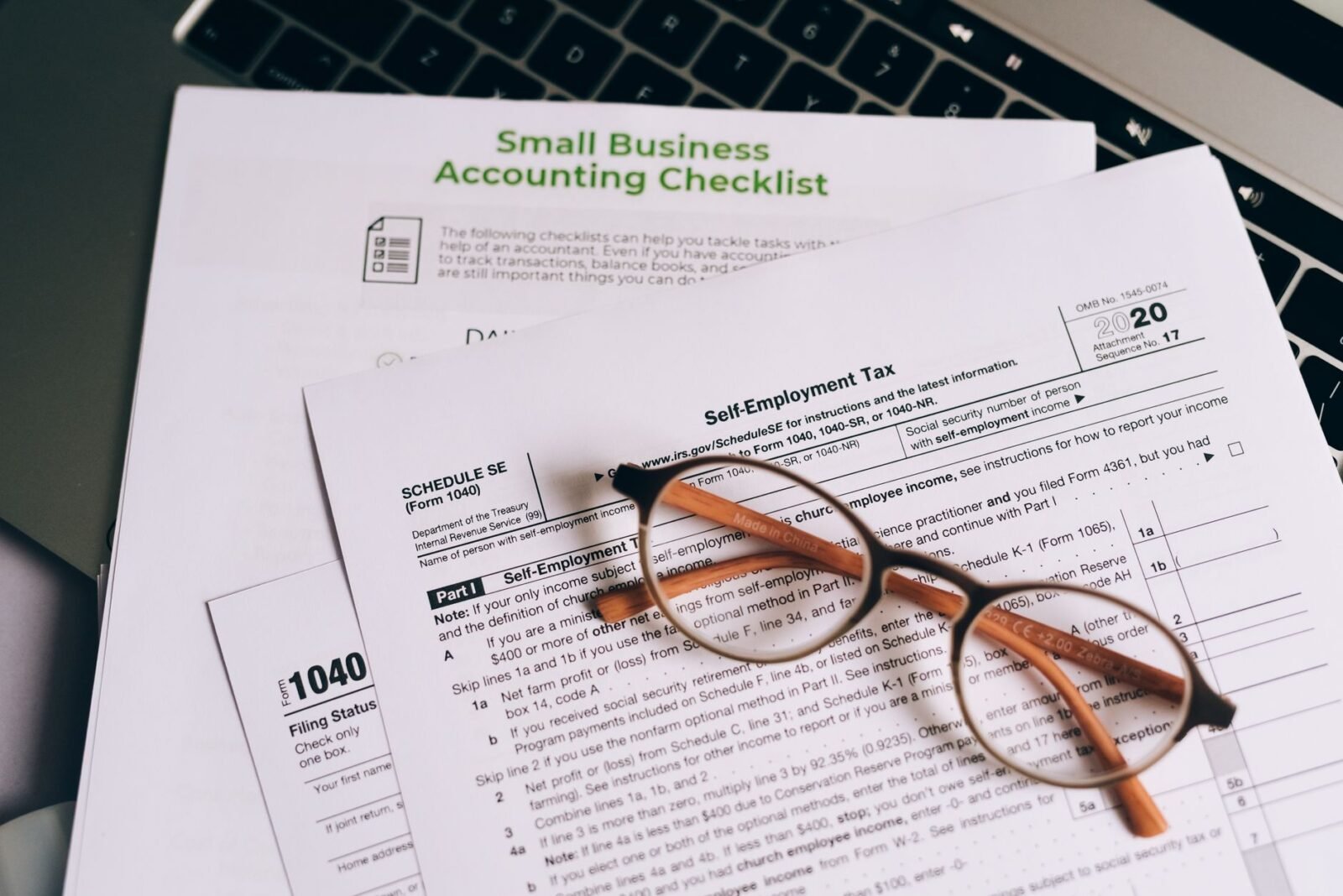
The Era of Autonomous Accounting: Why Small Businesses are Adopting AI Bookkeeping
Managing finances has historically been one of the most time-consuming and friction-heavy burdens for small business owners. From chasing down physical receipts and manually categorizing transactions to reconciling bank statements late at night, traditional bookkeeping often steals attention away from core growth activities. However, as of 2026, the landscape of business finance has undergone a permanent shift. The rise of the autonomous AI bookkeeping assistant for small business operations has transformed financial management from a reactive chore into a proactive strategic advantage.
Today’s AI bookkeeping tools go far beyond simple rule-based automation. Leveraging advanced machine learning, predictive analytics, and multimodal document processing, modern digital assistants act as full-fledged financial co-pilots. They reconcile general ledgers in real-time, predict cash flow shortages weeks before they happen, detect subtle fraudulent activities, and maintain continuous tax compliance with virtually zero human intervention.
What is an AI Bookkeeping Assistant?
An AI bookkeeping assistant is an intelligent software solution designed to automate, optimize, and streamline end-to-end accounting processes for small-to-medium businesses (SMBs) and solopreneurs. Unlike traditional legacy software like legacy QuickBooks or Basic Xero setups—which relied heavily on manual data entry and static, user-created rules—an AI-driven assistant continuously learns from your transactional behavior, vendor invoices, and industry standards.
Core Capabilities of Modern AI Assistants
- Continuous Multi-Channel Data Ingestion: Automatically fetching and parsing data from bank feeds, point-of-sale systems, e-commerce platforms (Shopify, Amazon, Stripe), and optical character recognition (OCR) camera scans.
- Contextual Transaction Categorization: Utilizing natural language processing (NLP) to read memo fields and invoice line items, assigning accurate general ledger codes without needing fixed static rules.
- Real-Time Bank & Credit Card Reconciliation: Matching statements against ledger entries instantly, flagging discrepancies or double-charges as they occur.
- Predictive Cash Flow Intelligence: Analyzing historical payment velocities, seasonal sales curves, and open accounts receivable to forecast accurate cash balances 30, 60, and 90 days into the future.
- Automated Compliance & Tax Readiness: Dynamically organizing receipts according to current tax regulations, calculating sales tax across multiple jurisdictions, and outputting audit-ready audit trails.
Key Benefits for Small Businesses in 2026
For small business operators, adopting an AI bookkeeping assistant delivers tangible top-line and bottom-line advantages that reshape daily operations.
1. Massive Time Savings
Small business owners report spending between 10 to 15 hours per week managing books manually or managing back-and-forth communication with external bookkeepers. An AI assistant handles up to 95% of routine data processing automatically, reducing weekly bookkeeping management to a brief 15-minute review session.
2. Cost Reduction Compared to Full-Time Staffing
Hiring a full-time in-house bookkeeper or retaining high-fee outsourced accounting agencies can cost thousands of dollars per month. AI bookkeeping assistants provide round-the-clock precision for a fraction of the cost, making enterprise-grade financial management accessible to bootstrapping startups and micro-businesses.
3. Eradication of Human Error
Manual data entry inevitably leads to typos, inverted numbers, and miscategorized expenses. AI models operate with extreme precision, utilizing cross-validation algorithms to ensure that every dollar accounted for balances down to the cent.
4. Instant, On-Demand Financial Reporting
Waiting until the end of the month or quarter to view a Profit & Loss statement leaves owners navigating in the dark. AI bookkeeping assistants update balance sheets, P&L reports, and cash flow forecasts dynamically, providing instant insights whenever strategic decisions need to be made.
Top Features to Look for in 2026
When selecting the best AI bookkeeping assistant for your business, prioritize platforms that offer the following advanced functionalities:
Multimodal Document Understanding
State-of-the-art platforms no longer rely on simple OCR. Modern AI can interpret unstructured PDFs, hand-written receipt notes, embedded email invoices, and slack/text receipts, automatically extracting vendor names, tax amounts, line items, and payment terms.
Autonomous Anomaly & Fraud Detection
Advanced security algorithms monitor accounting feeds 24/7. If a subscription price jumps unexpectedly, an invoice displays duplicate payment requests, or an unknown vendor appears, the AI immediately flags the event for owner review before funds leave the account.
Natural Language Querying
Instead of building complex custom reports, modern AI assistants feature natural language chat interfaces. Business owners can simply ask questions such as: “What was our net spend on marketing last month compared to last year?” or “Which client has the highest outstanding invoice balance?” and receive instant text, chart, or tabular responses.
How to Implement an AI Bookkeeping Assistant in Your Business
Transitioning to an AI-powered financial workflow is straightforward if executed strategically. Follow this step-by-step implementation roadmap:
Step 1: Audit Current Financial Tools and Processes
Identify where your financial data lives. Map out your primary bank accounts, merchant processors, payroll systems (e.g., Gusto, Rippling), and expense cards. Ensure your prospective AI platform offers native API integrations for these channels.
Step 2: Clean Up Historical Ledger Data
Before connecting an AI assistant, ensure your current chart of accounts is clean. Reconcile existing past transactions so the AI machine learning engine trains on accurate historical baseline data.
Step 3: Connect Accounts and Establish Guardrails
Link your financial pipelines securely. Set up confidence threshold rules—for instance, instructing the AI to automatically post transactions with a 98%+ confidence level, while routing lower-confidence items to an approval queue.
Step 4: Maintain Human-in-the-Loop Oversight
AI excels at speed and repetitive tasks, but strategic direction and high-stakes financial review still benefit from expert oversight. Partnering your AI assistant with a certified public accountant (CPA) or fractional CFO ensures absolute compliance and maximizing tax-saving strategies.
Conclusion: Empowering Your Business with Smart Financial Tech
The role of the small business owner is to innovate, serve customers, and grow market share—not to get buried under piles of receipts and complex spreadsheets. Deploying an AI bookkeeping assistant for small business in 2026 is no longer a futuristic luxury; it is a critical operational standard for staying competitive, profitable, and agile. By automating repetitive accounting tasks, unlocking real-time financial transparency, and eliminating costly mistakes, AI tools empower you to take full control of your business’s financial destiny.