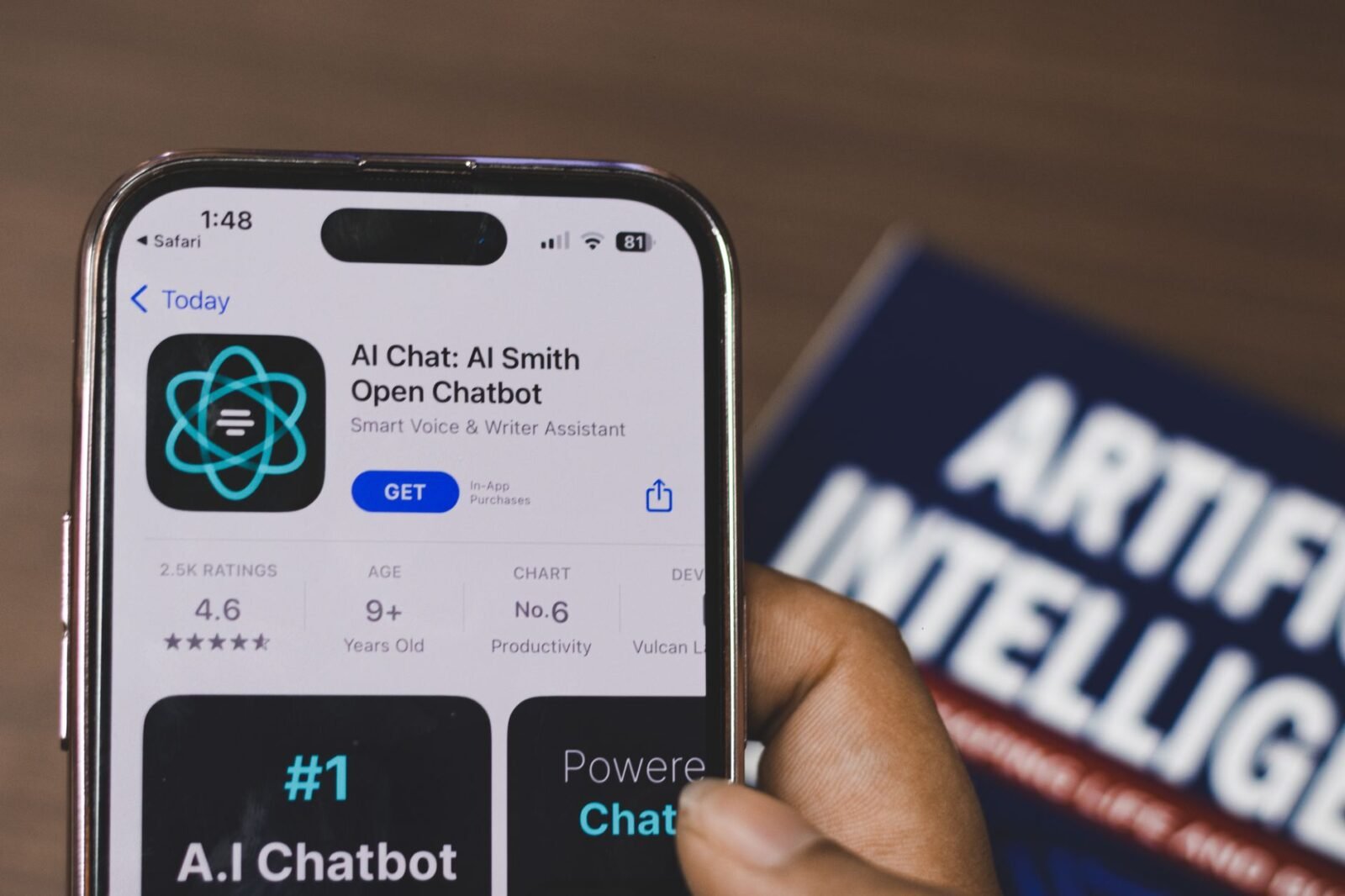
The Evolution of Ecommerce AI Conversational Commerce in 2026
As we navigate 2026, the retail landscape has completely shifted from passive product catalogs to dynamic, proactive conversational storefronts. Today’s online shoppers no longer want to click through complex menu hierarchies or fill out lengthy filtering forms. Instead, they expect instant, personalized, and context-aware interactions that mirror the experience of speaking to an expert in-store associate.
A high converting AI chatbot for ecommerce stores in 2026 is not merely a customer service tool designed to answer basic tracking questions; it is a full-funnel revenue engine. Powered by advanced multimodal AI models, real-time customer data platforms (CDPs), and agentic workflows, modern ecommerce bots actively close sales, rescue abandoned carts, upsell relevant accessories, and build long-term brand loyalty.
Key Drivers of Conversational Conversions
Understanding why AI chatbots convert at unprecedented rates in 2026 requires looking at the convergence of three critical technologies:
- Agentic Commerce Execution: Modern AI bots don’t just recommend products—they execute actions on behalf of the user, such as applying dynamic discounts, modifying subscriptions, or processing one-click checkouts within the chat interface.
- Hyper-Personalized Zero-Party Data Capture: By engaging shoppers in natural dialogue, AI assistants gather explicit user preferences (style choices, size concerns, budget constraints) and instantly tailor recommendations to maximize conversion intent.
- Multimodal Product Understanding: Customers can upload photos, voice messages, or video clips to find exact matches or complementary items in a brand’s catalog, bypassing traditional search limitations entirely.
Core Strategies to Build a High-Converting AI Bot
1. Dynamic Intent Recognition and Cart Salvage
Traditional exit-intent popups are largely ignored by modern digital consumers. Today’s AI conversational agents detect subtle dwell-time signals, cursor movement changes, and scroll friction to intervene at the precise moment a user hesitates. Rather than offering generic discount codes, the chatbot offers tailored assistance, answering product-specific queries that might be blocking the purchase.
2. Zero-Friction In-Chat Checkout
Every additional step in an ecommerce checkout funnel introduces drop-off risks. The highest-converting AI bots integrate directly with payment gateways like Apple Pay, Shop Pay, and decentralized digital wallets, allowing consumers to complete their purchase directly inside the conversational window.
3. Personal Stylists and Product Matchmakers
By leveraging generative visual models, AI chatbots act as interactive personal shoppers. They combine real-time inventory tracking with predictive sizing algorithms to recommend items with the highest probability of purchase and lowest probability of return.
Integrating AI Agents with Your Existing Ecommerce Stack
To maximize conversion rates, your AI chatbot must sit at the center of your technology infrastructure. Seamless integration ensures the bot accesses accurate data instantly:
- Shopify & Custom Headless Engines: Fetch live stock levels, variant options, and localized pricing instantly.
- Customer Data Platforms (CDPs): Access past purchase history, loyalty rewards status, and browse behavior to deliver contextually relevant offers.
- Helpdesk Synchronization (Gorgias, Zendesk): Pass complex edge-cases seamlessly to human operators without losing conversation context or purchase momentum.
Measuring Bot Conversion Success: Essential Metrics for 2026
To continuously optimize your conversational sales assistant, track these core key performance indicators (KPIs):
- Chat-Assisted Conversion Rate (CACR): The percentage of users who engage with the bot and complete a purchase within 24 hours.
- Average Order Value (AOV) Lift: The percentage increase in cart value for chat-assisted orders versus non-assisted orders driven by smart upsells.
- First Contact Resolution (FCR) for Pre-Purchase Queries: How quickly the AI answers objections regarding fit, shipping, or material specs.
- Cart Containment Rate: The percentage of high-intent visitors prevented from abandoning their session through proactive bot outreach.
Conclusion: Transforming Chatbots into Revenue Generators
In 2026, deploying a generic rule-based chatbot is a missed revenue opportunity. To stand out in a competitive ecommerce market, brands must deploy autonomous, highly personalized, and action-oriented conversational AI agents. By focusing on intent recognition, real-time dynamic recommendations, and zero-friction checkouts, your business can turn everyday store traffic into predictable, continuous sales growth.